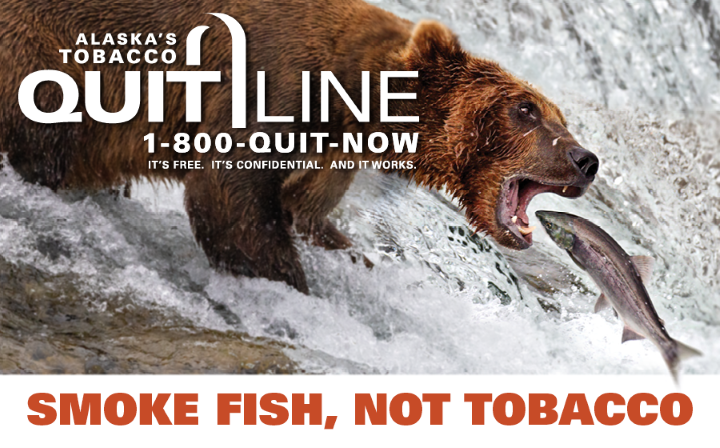
Program evaluation has the greatest impact when it meaningfully involves the communities being served. Alaska’s evaluation of the Alaska Tobacco Quit Line (ATQL) was developed in partnership with Tribal health leaders to better understand lower utilization among Alaska Native people and ensure that survey questions were culturally relevant, respectful, and focused on improving services and outreach.
The evaluation followed nearly 4,000 ATQL participants who enrolled between August 2021 and September 2023. About seven months after enrollment (from March 2022 to May 2024), participants completed an online survey about their quitline experience and current tobacco use. The evaluation found that more than one in three adults (37%) who enrolled were able to quit using tobacco, Alaska Native and non-Native participants quit at similar rates, and while satisfaction was high across all groups, Alaska Native participants were even more likely than non-Native participants to report being satisfied with ATQL services.
The Talking Circles Project was designed to gather deeper feedback from Alaska Native communities and Tribal health experts to improve and tailor an ATQL program component for Alaska Native people. Working closely with Tribal partners, the team created a culturally grounded process that invited Alaska Native community members and Tribal health staff to share their experiences with tobacco, quit services, and ideas for improvement. Talking Circles were held with community members in seven public health regions, along with three virtual Talking Circles with Tribal health partners across Alaska.
Key recommendations from the Talking Circles included:
- Cultural and language support, such as training coaches on regional communication styles, ensuring interpretation and translated materials in Native languages where possible, and teaching coaches key phrases that build trust.
- Stronger nicotine replacement therapy (NRT) education, with clear information on how NRT works, potential side effects, and how to tailor combination therapy to daily life.
- Accessible, flexible services with 24/7 availability and multiple engagement options (phone, text, online, and virtual groups), plus support for connections to local in-person resources.
- Enhanced cultural competency, including coaches with shared lived experience (e.g., quitting tobacco, living in Alaska, or being part of Native communities) and familiarity with regional cultures, norms, and daily life.
- Dedicated coaching models, where participants are paired with primary, Alaska-based coaches to build continuity, trust, and stronger relationships over time.
Alaska is now using these insights and recommendations to guide ongoing planning and improvements for its tobacco quitline, with the goal of making services more culturally grounded, accessible, and effective for Alaska Native communities and other Alaskans. | 
 Email to a Friend